Seeing the check engine light appear on your dashboard can be unsettling. Your vehicle may seem to be running perfectly fine, or you may notice rough running, strange noises, reduced power, or other changes.
So, what does the check engine light actually mean? And more importantly, can you keep driving, or should you schedule service right away?
The check engine light is your vehicle's way of telling you that its onboard diagnostic system has detected a problem. Sometimes the issue is relatively minor. Other times, the warning can indicate a problem that needs immediate attention.
At Bret's Autoworks in Gardner, Kansas, we believe understanding what your vehicle is telling you can help you make better decisions about maintenance and repairs. Here's what you need to know.
Why Does the Check Engine Light Come On?
Modern vehicles have computers that continually monitor the engine, emissions system, fuel system, ignition system, and numerous sensors. When the computer detects a reading or condition outside its expected range, it stores a diagnostic trouble code and may turn on the check engine light.
Some common causes include:
- A loose, damaged, or improperly sealing gas cap
- A failing oxygen sensor
- Worn spark plugs or ignition components
- Engine misfires
- Fuel delivery problems
- Catalytic converter issues
- Mass airflow sensor problems
- Emissions system problems
- Vacuum leaks
- Other engine or sensor-related issues
The important thing to remember is that the check engine light itself doesn't tell you exactly what needs to be repaired. It tells you that your vehicle has detected something that needs to be investigated.
Solid vs. Flashing Check Engine Light: What's the Difference?
How your check engine light behaves can indicate how urgently the vehicle needs attention.
Solid Check Engine Light
A solid check engine light usually means the vehicle's computer has detected a problem that should be diagnosed, but it may not be an immediate emergency.
If your vehicle is otherwise driving normally, you can generally arrange an inspection soon rather than stopping immediately.
However, don't ignore the light for weeks or months. A seemingly small issue can affect fuel economy, emissions, performance, or eventually contribute to a more expensive repair.
Flashing Check Engine Light
A flashing check engine light is more urgent.
A flashing light can indicate a serious engine misfire or another condition that could cause additional damage, including damage to the catalytic converter.
If your check engine light begins flashing, especially if the vehicle is shaking, losing power, running roughly, overheating, or producing unusual noises or smells, reduce driving and have the vehicle evaluated as soon as safely possible.
Can I Drive With the Check Engine Light On?
It depends on the circumstances.
If the light is solid and the vehicle seems to be operating normally, you may be able to drive it for a short period while arranging an appointment. Watch for any changes in performance.
If the light is flashing, or you notice significant symptoms such as loss of power, severe shaking, overheating, smoke, or unusual noises, continuing to drive could risk additional damage.
When you're uncertain, it's better to ask a professional rather than assume everything is fine.
Will Tightening the Gas Cap Turn Off the Check Engine Light?
Sometimes.
A loose or poorly sealing gas cap can cause the vehicle's emissions monitoring system to detect a leak and illuminate the check engine light.
Check that the cap is properly tightened. If the cap is damaged or doesn't seal correctly, it may need replacement.
Keep in mind that the light may not disappear immediately after tightening the cap. Your vehicle may need to complete several driving cycles before the system confirms that the problem has been corrected.
If the light remains on, schedule a diagnostic inspection.
Isn't Reading the Trouble Code the Same as Diagnosing the Problem?
No—and this is an important distinction.
A code reader can retrieve a diagnostic trouble code, but that code doesn't necessarily identify the exact component that needs replacing.
Think of the code as a clue that tells a technician where to begin investigating.
For example, a code associated with an oxygen sensor doesn't automatically mean the oxygen sensor itself has failed. Another underlying problem could be causing the sensor to report an abnormal reading.
Professional vehicle diagnostics combine trouble codes with testing, inspection, vehicle data, and technician experience to determine the actual cause.
Replacing parts based only on a trouble code can become an expensive guessing game.
What Happens During a Check Engine Light Diagnosis?
The exact diagnostic process depends on the trouble code and symptoms, but technicians may:
- Retrieve stored diagnostic trouble codes.
- Review vehicle operating data.
- Inspect related systems and components.
- Perform appropriate tests to isolate the problem.
- Determine the underlying cause.
- Recommend repairs based on the findings.
The goal isn't simply to make the dashboard light disappear. It's to determine why it came on in the first place.
What Happens If I Ignore My Check Engine Light?
Ignoring a check engine light can turn a manageable problem into a bigger one.
Depending on the cause, you could experience:
- Reduced fuel economy
- Poor engine performance
- Difficulty starting
- Increased emissions
- Engine misfires
- Catalytic converter damage
- Unexpected breakdowns
- More extensive repairs
Diagnosing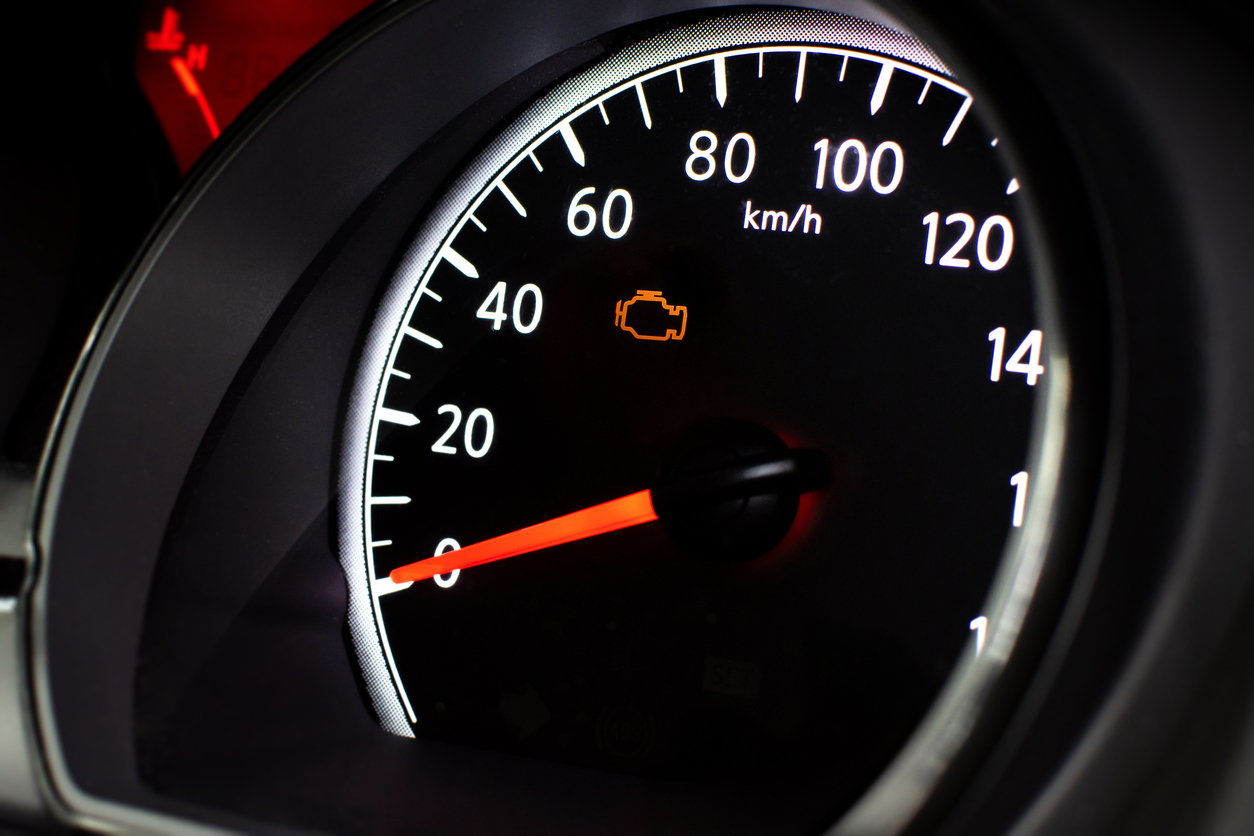 the problem early lets you address it before it becomes more complicated.
Frequently Asked Questions About Check Engine Lights
What is the most common reason for a check engine light?
There isn't one cause that applies to every vehicle. Problems can range from a loose gas cap to ignition, emissions, sensor, fuel, or engine-related issues. Diagnostic testing is the best way to determine the actual cause.
Is a solid check engine light an emergency?
Not necessarily. If the light is solid and your vehicle is operating normally, you can usually schedule service soon. However, you shouldn't ignore the warning.
Is a flashing check engine light serious?
Yes. A flashing check engine light can indicate a condition such as a severe misfire that could damage other components. Have the vehicle evaluated promptly.
Can a check engine light turn off by itself?
Yes. If the condition that triggered the warning is no longer detected, the light may eventually turn off. The vehicle's computer may still retain information about the fault that can help with diagnosis.
Can I reset my check engine light myself?
The light can sometimes be cleared with diagnostic equipment, but simply resetting it doesn't repair the underlying problem. If the condition persists, the light will likely return.
Should I schedule service if my car seems to run fine?
Yes. Many problems that trigger a check engine light don't immediately cause noticeable driving symptoms. Having the vehicle checked can help identify the issue before it progresses.
Check Engine Light On? Let Bret's Autoworks Take a Look
A check engine light doesn't automatically mean you're facing a major repair—but it does mean your vehicle is asking for attention.
Instead of guessing which part might be causing the warning, professional diagnostics can identify the source of the problem and determine the right next step.
If your check engine light is on in Gardner, KS, or the surrounding Johnson County area, contact Bret's Autoworks to schedule service. We'll help determine what's happening with your vehicle so you can make an informed decision about the repair.
Don't ignore the light—and don't guess at the repair. Let Bret's Autoworks help you get to the bottom of it.