Posted on 8/25/2026
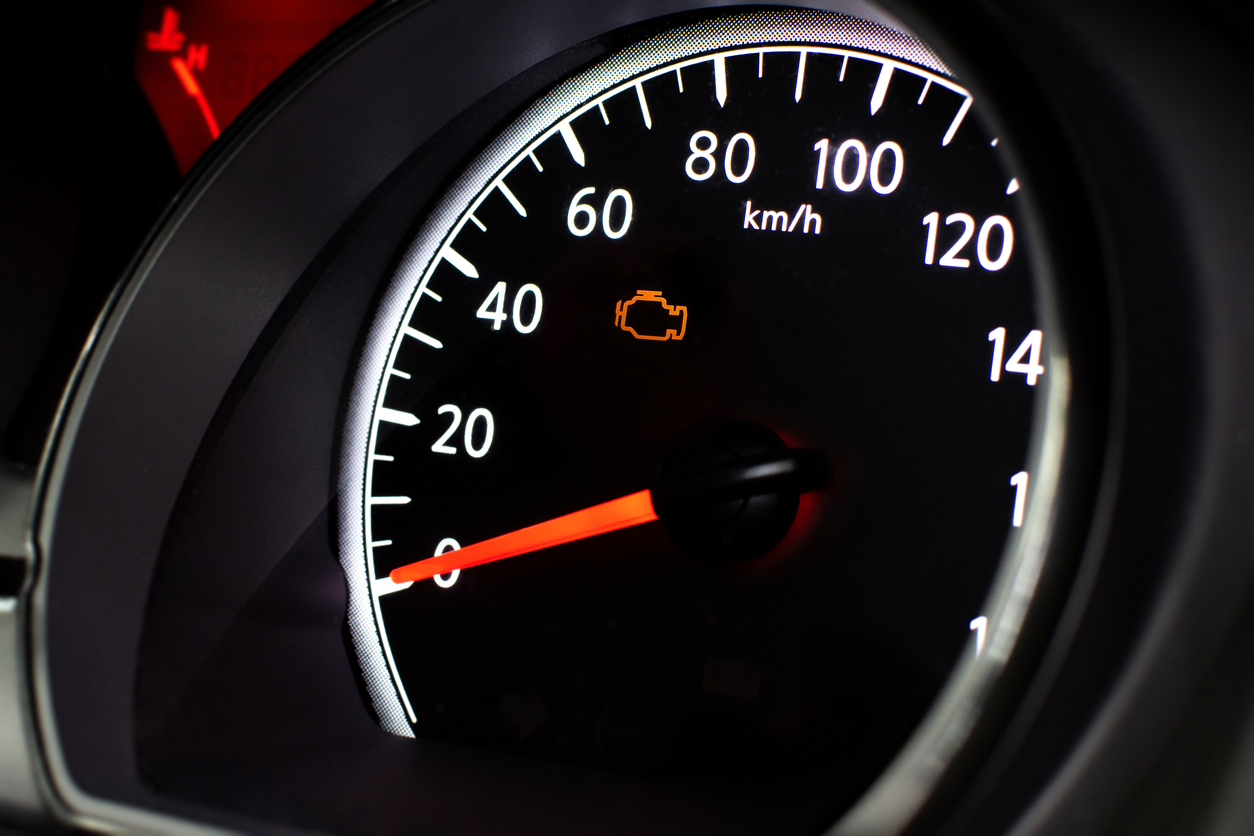
Seeing the check engine light appear on your dashboard can be unsettling. Your vehicle may seem to be running perfectly fine, or you may notice rough running, strange noises, reduced power, or other changes. So, what does the check engine light actually mean? And more importantly, can you keep driving, or should you schedule service right away? The check engine light is your vehicle's way of telling you that its onboard diagnostic system has detected a problem. Sometimes the issue is relatively minor. Other times, the warning can indicate a problem that needs immediate attention. At Bret's Autoworks in Gardner, Kansas, we believe understanding what your vehicle is telling you can help you make better decisions about maintenance and repairs. Here's what you need to know. Why Does the Check Engine Light Come On? Modern vehicles have computers that continually monitor the engine, emissions system, fuel system, ignition sy ... read more
Posted on 7/21/2026
As the school year begins, families across Gardner, KS, Spring Hill, Edgerton, and surrounding Johnson County communities are preparing for busy mornings, after-school activities, sports practices, and daily commutes. While shopping for school supplies is important, making sure your vehicle is safe and reliable should be at the top of your back-to-school checklist. Whether your teen is driving to school for the first time, you're transporting children in a daily carpool, or you're commuting to work after school drop-offs, your vehicle plays an important role in keeping everyone safe. At Bret's Autoworks in Gardner, KS, our experienced technicians provide comprehensive vehicle safety inspections to identify minor issues before they become costly repairs—or unexpected breakdowns. Quick Summary A Back-to-School Vehicle Safety Inspection helps ensure your vehicle is dependable for daily school commutes, carpools, extracurricular activities, and weekend travel. Bret ... read more
Posted on 6/26/2026

The 4th of July is one of the busiest travel weekends of the year. Whether you're heading to the lake, visiting family, or enjoying fireworks in another town, thousands of extra vehicles will be sharing the road. The last thing you want is a breakdown that turns your holiday into a stressful experience. Before packing the cooler and loading up the car, take a few minutes to make sure your vehicle is ready for the trip. A little preparation can help you avoid unexpected repairs, improve fuel efficiency, and keep your family safe. 1. Check Your Tires Your tires are your vehicle's only connection to the road, making them one of the most important safety items to inspect before traveling. Before leaving: Check tire pressure, including the spare tire. Inspect tread depth for adequate traction. Look for uneven wear, cracks, or bulges. Remove any nails or debris lodged in the tread. Properly inflated tires improve handling, braking, and fuel economy while reducing the risk of ... read more
Posted on 5/12/2026
As temperatures rise across the Kansas City Metro, summer heat can put serious stress on your vehicle. From overheating engines to weak batteries and worn tires, hot weather can quickly turn small problems into major repairs. At Bret's Autoworks, we help drivers stay ahead of summer breakdowns with trusted auto repair and preventative maintenance services in Gardner, KS. Before the hottest days arrive, now is the perfect time to make sure your car, truck, or SUV is ready for summer driving. Why Summer Heat Is Hard on Vehicles Many drivers assume winter is toughest on vehicles, but extreme summer temperatures can be equally damaging. High heat affects your engine, battery, cooling system, tires, and air conditioning system — especially during stop-and-go traffic and long road trips. Common hot weather vehicle problems include: Engine overheating Weak or failing car batteries Low coolant levels Tire blowouts Air conditioning issues Worn belts and hoses Reduced fuel e ... read more
Posted on 4/7/2026

April in Kansas often means one thing for drivers: potholes. Freeze-thaw cycles cause pavement to crack and break apart. When your vehicle hits a pothole, the impact is transmitted directly to the tires, wheels, and suspension components. Here’s what to watch for. 1. Tire Damage A deep pothole can cause: Sidewall bulges Tread separation Immediate air loss If you feel a sudden vibration after impact, have your tires inspected. 2. Wheel Damage Bent rims may cause: Steering vibration Air leaks Difficulty balancing tires Aluminum wheels are especially susceptible to bending in cold months. 3. Suspension Issues Your shocks, struts, ball joints, and tie rods absorb road impact. Repeated pothole strikes can weaken or damage these components. Warning signs include: Clunking noises Rough ride Nose diving when braking 4. Alignment Problems Even if there’s no visible damage, alignment can shift after a hard hit. Misalignment causes uneven tire wear a ... read more
Posted on 3/3/2026

Kansas winters leave their mark. By March, potholes appear, salt residue lingers, and your suspension may be feeling the strain. Spring is the perfect time for a reset. Here’s your post-winter maintenance checklist. 1. Inspect Brakes Winter driving means extra braking on slick roads. Salt exposure can also accelerate corrosion. If you hear grinding, squealing, or feel vibration when braking, schedule an inspection. 2. Check Alignment and Suspension Potholes are everywhere in early spring. Even one hard hit can knock your alignment out of spec. Signs you may need alignment service: Vehicle pulls to one side The steering wheel isn’t centered Uneven tire wear 3. Replace Wiper Blades Ice and snow are tough on rubber. If your blades streak or skip, replace them before spring rainstorms hit. 4. Fluid Check and Top-Off Winter driving can stress your coolant, brake fluid, and transmission fluid. A spring fluid inspection ensures everything is clean and ... read more
Posted on 1/20/2026

Why Winter Is Tough on Your Battery, Brakes, and Fluids The holidays often mean long road trips, stop-and-go traffic, packed cars, and unpredictable winter weather. Once the decorations come down and life returns to normal, many drivers forget one important step: post-holiday vehicle maintenance. At Bret’s Autoworks, we see firsthand how winter driving can quietly take a toll on key systems—especially your battery, brakes, and fluids. Addressing these issues early can help prevent breakdowns, extend your vehicle's life, and keep you safe during the coldest months of the year. Why Winter Driving Is Hard on Your Vehicle Winter conditions are tough on cars for several reasons: Cold temperatures reduce battery efficiency Snow, ice, and road salt accelerate wear on braking components Short trips and temperature swings stress engine fluids Even if your vehicle seems to be running fine, winter wear often builds slowly&mdas ... read more
Posted on 1/14/2026
Cold temperatures, snow, ice, and road salt can be tough on your vehicle. A winter vehicle inspection helps catch minor issues before they become breakdowns—especially when conditions are at their worst. Whether you’re commuting daily or heading out for holiday travel, a winter inspection gives you peace of mind and keeps your car performing safely all season long. Below is what’s typically included in a winter vehicle inspection—and why each item matters. Battery & Electrical System Why it matters: Cold weather significantly reduces battery power. A weak battery that works fine in summer may fail on a freezing morning. What’s checked: Battery charge and overall health Corrosion on terminals Alternator and starter performance Catching a failing battery early can prevent being stranded in cold weather. Tires & Tire Pressure Why it matters: Tires lose pressure as temperatures drop, and worn ... read more